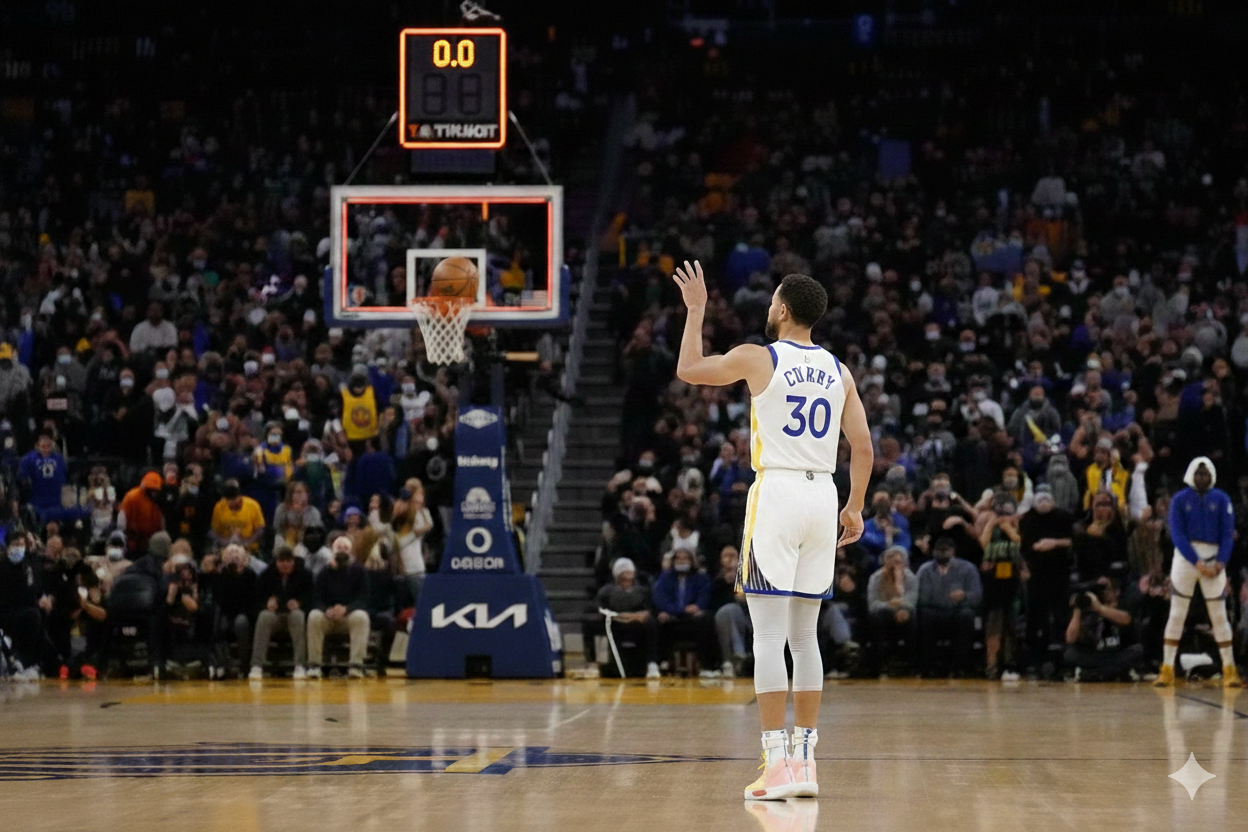
Rep Days vs. Game Day in Trading
Trading is no different.
Your average trade may last under 10 minutes. But those 10 minutes are not where skill is built. They’re where skill is revealed.
The Role of Backtesting and Drills
Backtesting, replay, journaling, and paper trading are the equivalent of practice shots.
They build:
Pattern recognition
Emotional control
Risk discipline
Execution speed
Confidence under pressure
The trader who says, “Paper trading isn’t real,” is usually avoiding reps. And avoiding reps almost always shows up in inconsistent results.
You don’t skip training because it’s simulated. You train so the real thing feels familiar.
Profit Is a Byproduct, Not the Primary KPI
Profitability matters. But it’s a lagging metric. Leading indicators of growth include:
Did I follow my trade plan?
Did I respect risk per trade?
Did I size according to my mental capacity?
Did I wait for my A+ setup?
Did I protect capital?
Was I emotionally stable?
Did I complete pre-market prep?
Did I review and log performance?
A profitable trade taken with poor discipline is a bad trade. An unprofitable trade executed perfectly is data — and growth.
Maturity in trading is understanding that consistency of process creates consistency of income.
Time Investment and Reality
If you trade 2 hours a day, that’s just performance time.
Real development happens in:
1–2 hours of review and journaling
3–6 hours of structured backtesting weekly
Ongoing mental and emotional conditioning
Serious development easily reaches 15–25 hours per week.
If someone believes that’s excessive, the results they’re getting likely reflect the effort they’re giving.
Markets don’t reward desire. They reward preparation.
The Championship Parallel
An athlete doesn’t win a championship by focusing on the trophy. They focus on conditioning, mechanics, film study, and resilience.
Similarly, trading success isn’t built by repeating, “I just want to make money.”
It’s built by:
Refining edge
Protecting downside
Regulating emotion
Showing up consistently
Practicing when no one is watching
Ninety percent of greatness happens in silence.
The Deeper Perspective
When trading becomes a lifeline during financial or career instability, it can carry emotional weight. That pressure can create urgency. Urgency can distort decision-making.
But markets respond to skill, not need.
Skill is earned through repetition.
Game day exposes weaknesses.
Training day eliminates them.
If subconscious performance under volatility is the goal, then disciplined preparation is non-negotiable.
The trader who embraces performing weekly drills, reps, reviewing their performance stats & monitoring their psychological triggers eventually looks effortless.
Not because it’s easy. Because it’s trained.